How Can We Help?
Award Winning Pest Control
Evans Pest Control has been voted BEST of PHILLY by Philadelphia Magazine, and PHILLY FAVORITES by The Philadelphia Inquirer.
Evans Pest Control is a friendly, dependable, family owned and operated exterminator located in Philadelphia and servicing the entire Delaware Valley. Mice and Rat problems, Bed Bug infestations and Termite destruction, Evans Pest Control can help.
Evans Pest Control employees are experts in pest control. Evans has decades of experience and excellent reviews. If you have a problem with Bed Bugs, Roaches, Mice, Rats, Termites, or any pest. Call us right away, and talk to someone that can help!
How Can We Help?
SEE OUR COVID 19 POLICY HERE
FOX 29 News Philadelphia
With Evans Pest Control
Fast Pest Service
Phone Operators Available 24/7
Commercial And Residential Exterminators
Proven results guaranteed effective pest exterminator in Philadelphia. Claim your free consultation now!
Philadelphia Local Pest Exterminator
Philadelphia Family Owned & Operated Pest Control
Learn More:
Satisfaction Guaranteed!
Proven results guaranteed effective pest exterminator in Philadelphia. Claim your free consultation now!
Philadelphia has supported Evans Pest Control for many years, and we never take that for granted.
If you believe in supporting local, family-owned businesses that care about their neighborhoods, we’d be honored if you considered voting Evans Pest Control for The Philadelphia Inquirer’s Philly Favorites Award.
No pressure — just gratitude.
🔗 Vote here: https://www.votephillyfaves.com/
Thank you for being part of our story, Philly 💙
It is with great sadness and regret that we announce the sudden passing of Charles Evans, owner of Evans Pest Control.
Charles was well respected in his industry and participated on many local and state pest management boards. Charles “Chuck” loved servicing his clients and many of those clients became friends. He loved giving back to his community as often as he could through various platforms. The industry has lost a great leader and friend. He is survived by his wife and two children as well as many family members and friends. “When someone you love becomes a memory, the memory becomes a treasure.” ( Author unknown) So we will treasure the memories that Charles gave us and follow in his footsteps to be kind to one another and make each day count.
Why You May See Termites Earlier - Even In February
The Main Termite You’ll Hear About in the Northeast: Eastern Subterranean Termites
In Pennsylvania and throughout much of the Northeast, the most common structural termite is the Eastern subterranean termite (Reticulitermes flavipes). It’s widespread in the region and is a frequent cause of wood damage in buildings.
Why “subterranean” matters
These termites live in the soil and travel to wood using protected pathways—often mud tubes—because they need moisture to survive. Mud tubes are one of the most recognizable signs homeowners can spot.
Termite Anatomy: Tiny Bodies, Big Impact
Termites are soft-bodied insects designed for hidden work. A colony contains different “roles” (called castes), each with specialized anatomy:
1) Workers (the damage-doers)
Workers are pale, wingless, and constantly on the move—eating wood, feeding the colony, and maintaining tunnels.
Fun fact: Termites don’t “eat” wood the way we chew food. They process cellulose with the help of microbes in their gut—basically a living digestion team.
2) Soldiers (the defenders)
Soldiers have enlarged jaws (or other defensive structures) used to protect tunnels from ants and other threats.
3) Reproductives / “Swarmers” (the winged ones you notice)
These are darker, winged termites whose job is to leave the colony, pair up, and start a new one. When you find piles of shed wings at windowsills or near lights, it’s a classic swarming clue.
Why Termites May Show Up Earlier Now (Including February)
Termite activity is driven by conditions, not the calendar.
• Subterranean termites swarm in spring/summer, often on warm days following moisture (rain) and calm winds.
• “Termite season” for many subterranean species is commonly described as starting late February to early March and extending through June, which matches what many homeowners now experience during mild winters and early warm spells.
• Even when you don’t see swarmers, termites can still be active—swarming is just the most visible event.
What this means for homeowners:
If you get a few 50–60°F+ days in February (especially after wet weather), termites may become more noticeable—particularly in heated structures, basements, and sun-warmed exterior walls.
What Termite “Signs” Look Like
Homeowners usually discover termites in one of these ways:
1. Swarmers indoors
If swarmers show up inside, it can indicate a colony is established in or under the structure.
2. Discarded wings
Small piles near windows, doors, and light fixtures.
3. Mud tubes
Pencil-sized “tunnels” on foundation walls, masonry, or sill areas.
4. Wood damage that sounds hollow
Wood may appear intact on the surface while being eaten internally.
Common Delaware Vally/Philadelphia Risk Factors (How Homes Become Vulnerable)
Subterranean termites need moisture + wood access. The most common risk factors we see in the Northeast include:
• Wood-to-soil contact (posts, steps, siding, deck framing)
• Poor drainage or downspouts dumping near the foundation
• Chronic moisture in basements/crawlspaces
• Mulch piled high against the house
• Hidden entry points around utility penetrations
The EPA emphasizes prevention steps like reducing moisture, fixing leaks, and eliminating wood contact points as principle ways to lower risk.
“Termites vs. Ants” in 20 Seconds (Easy ID Tips)
Homeowners often confuse winged termites with winged ants. Quick general differences:
• Termites: straight antennae, thick waist, wings about equal length
• Ants: elbowed antennae, pinched waist, wings often unequal length
What To Do If You Suspect Termites
1. Don’t disturb mud tubes (it can make activity harder to assess).
2. Take photos/video of wings, tubes, or damaged wood.
3. Schedule Evans Pest Control for a professional inspection—especially if you see swarmers indoors. We recommend annual inspections as part of termite prevention programs.
Evans Pest Control: Smart, Delaware Valley - Ready Termite Protection
Because termites can become noticeable as early as late February during warm spells, it’s a great idea to plan inspections and prevention before peak spring swarming.
If you’ve seen swarmers, discarded wings, mud tubes, or suspicious wood damage, Call Evans Pest Control - we can help you confirm what’s going on and recommend the right next steps.
Tags: Integrated, pest, management, Philadelphia, Termites, Termite Control
The Fantastic Anatomy Of Bed Bugs
A microscopic deep dive into one of the most resilient household pests
Bed bugs may be small, but their anatomy is surprisingly sophisticated. Found throughout the Northeastern United States, these insects have evolved into highly specialized survivors—built for stealth, feeding, and persistence. At Evans Pest Control, we believe that understanding how bed bugs are built helps explain why they’re so difficult to eliminate and why professional treatment matters.
What Exactly Is A Bed Bug?
Bed bugs (Cimex lectularius) are:
• Small, wingless insects
• About the size of an apple seed as adults
• Reddish-brown in color
• Active primarily at night
• Can be found in homes, apartments, hotels, dorms, and public spaces
They are not a sign of poor cleanliness, bed bugs hitchhike on luggage, clothing, furniture, and personal items.
A Body Designed For Survival
Bed bugs have three main body sections, typical of insects:
1. Head
Contains:
• Antennae
• Eyes
• Mouthparts specialized for feeding on blood
2. Thorax
• Houses muscles that control movement
• Legs are attached here
• No wings (bed bugs cannot fly or jump)
3. Abdomen
• Flat and expandable
• Swells dramatically after feeding
• Stores nutrients for long periods of dormancy
Fun Fact: A bed bug can survive months without feeding, thanks to its expandable abdomen and efficient metabolism.
The Mouthparts: A Built-In Medical Tool
Bed bugs have piercing-sucking mouthparts, known as a proboscis. This structure allows them to:
• Pierce human skin
• Inject a mild anesthetic (so bites often go unnoticed)
• Inject an anticoagulant
• Draw blood efficiently
Unlike spiders or mosquitoes, bed bugs feed exclusively on blood, they do not eat crumbs, fabric, or waste.
Six Legs That Are Built For Hiding, But Not Speed
Bed bugs have six short, powerful legs designed to:
• Grip fabric and wood
• Crawl into cracks thinner than a credit card
• Move quickly across mattresses and walls
They cannot jump or fly—but they are excellent climbers.
Fun Fact: Bed bugs can sense body heat and carbon dioxide from several feet away, guiding them to sleeping hosts.
A Flattened Body Made To Disappear
One of the most impressive features of bed bug anatomy is their ultra-flat exoskeleton:
• Allows hiding in seams, outlets, baseboards, and furniture joints
• Makes visual detection difficult
• Protects them from mild physical pressure
After feeding, their bodies become elongated and darker, making infestations easier to spot… temporarily.
Life Stages: Small At Every Step
Bed bugs undergo incomplete metamorphosis:
1. Egg (pearl-white, pinhead-sized)
2. Five nymph stages
3. Adult
Each nymph requires a blood meal to molt to the next stage.
Fun Fact: A single female bed bug can lay 200–500 eggs in her lifetime.
Bed Bugs In The Northeastern United States
Bed bugs are commonly reported throughout:
• Pennsylvania
• New Jersey
• New York
• Delaware
• Massachusetts
• Urban, suburban, and rural areas alike
High-density housing, public transit, travel hubs, and multi-unit buildings make the Northeast especially vulnerable.
Why Are Bed Bugs So Hard To Eliminate?
Their anatomy contributes directly to their resilience:
• Flat bodies evade detection
• Eggs resist many over-the-counter treatments
• Slow metabolism allows long survival without feeding
• Hiding behavior keeps them out of reach
This is why DIY methods often fail, and infestations often worsen over time.
Evans Pest Control: State-Of-The-Art, Science-Driven Bed Bug Solutions
At Evans Pest Control, we use our understanding of bed bug anatomy and behavior to:
• Identify all life stages
• Target hidden harborages
• Use professional-grade treatments
• Provide preparation and prevention guidance
Our approach is thorough, discreet, and effective—because bed bugs require more than a surface-level solution.
Small Insect, Serious Engineering
Bed bugs are a masterclass in survival biology. Their anatomy explains their persistence—and why professional intervention is essential. Understanding how they’re built helps take the fear out of the equation and replaces it with informed action.
If you suspect bed bugs, don’t wait!
Serving Philadelphia, New Jersey and the surrounding counties including Bucks County, Montgomery County, and Delaware County.
Learn more at evanspestmgmt.com
Tags: Anatomy Of Bed Bugs
The 4 Biggest Winter Pest Problems in Philadelphia — And How Evans Pest Control Solves Them
Cold weather may slow down outdoor activity, but in the Philadelphia area, winter is prime time for pests to invade homes and businesses. As temperatures drop, pests look for warmth, shelter, and food—and unfortunately, our buildings provide all three.
At Evans Pest Control, we see the same winter pest issues every year. Below are the four most common winter pests in Philadelphia, how Evans approaches control, and why identifying problems early can save you time, money, and stress.
1. Rodents (Mice & Rats)
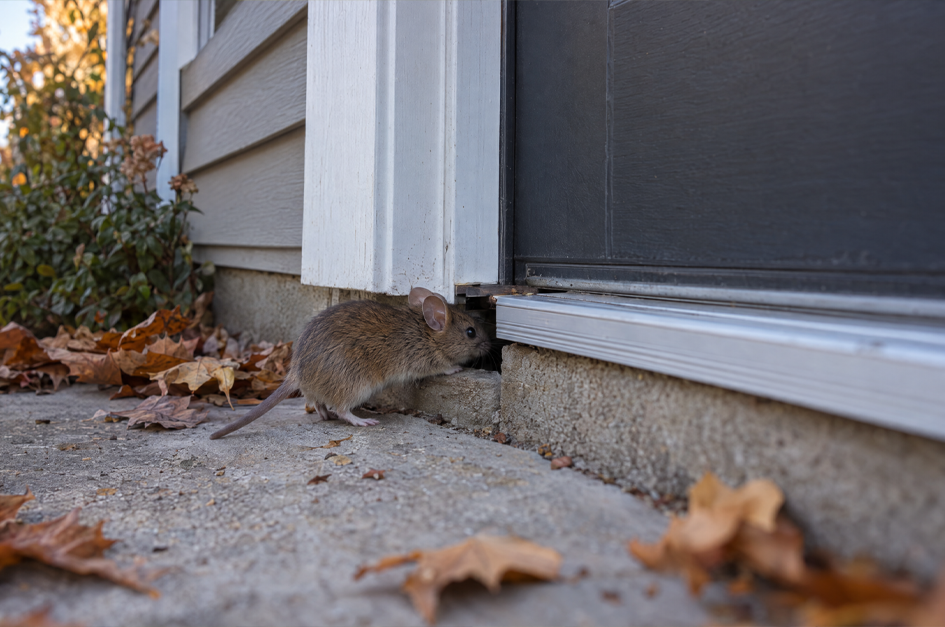
When winter sets in, rodents become one of the most urgent pest threats in the region. Mice can squeeze through openings as small as a dime, while rats exploit gaps in foundations, utility lines, and garages.
Why are rodents dangerous?
• They chew electrical wiring, increasing fire risk
• They contaminate food and surfaces with bacteria
• A single mouse can produce dozens of offspring in a year
How Evans Pest Control handles rodents:
Evans technicians conduct thorough inspections to identify entry points, nesting areas, and food sources. We use strategic trapping and baiting, combined with exclusion recommendations to prevent rodents from returning—not just a temporary fix, but a long-term solution.
2. Cockroaches — Winter Survivors
Cockroaches don’t hibernate. In winter, they simply move deeper indoors, especially into kitchens, basements, boiler rooms, and apartment buildings.
Interesting fact:
Cockroaches can survive weeks without food and hide in spaces as thin as a credit card—making early detection critical.
Why cockroaches are a serious issue:
• They spread bacteria and allergens
• They can trigger asthma and respiratory issues
• A small sighting often means a much larger hidden infestation
Evans’ approach:
Evans Pest Control uses targeted baiting, crack-and-crevice treatments, and monitoring, focusing on eliminating the source—not just the visible insects. Follow-up service ensures the population is fully controlled.
3. Bed Bugs — A Year-Round Threat (Even in Winter)
Many people mistakenly believe bed bugs are a summer-only problem. In reality, bed bugs thrive indoors year-round, especially during winter when travel, apartment living, and indoor heating help them spread.
Why are bed bugs common in winter:
• Holiday travel increases exposure
• Apartments and multi-unit housing allow easy spread
• Bed bugs stay hidden until infestations grow large
Key bed bug facts:
• They can survive for months without feeding
• They hide in mattresses, furniture, baseboards, and outlets
• DIY treatments often make infestations worse by spreading them
How Evans handles bed bugs:
Evans Pest Control provides professional inspections, precise treatment plans, and pet safe, discreet service designed to fully eliminate bed bugs at every life stage. Early detection makes treatment faster, more effective, and less costly.
4. Spiders & Overwintering Insects
As temperatures drop, many insects enter homes to overwinter in wall voids, attics, and crawl spaces. Common winter invaders include spiders, cluster flies, boxelder bugs, and lady beetles.
Why do they show up in winter:
• They seek warmth and shelter
• They enter through cracks, vents, and siding gaps
• Once inside, they often reappear on warm winter days
Evans’ approach:
Evans uses Integrated Pest Management (IPM) techniques:
• Exterior and interior inspections
• Sealing entry points (exclusion)
• Targeted treatments where pests hide
This approach minimizes chemical use while maximizing long-term control.
Why Early Pest Control Matters in Winter
Ignoring pest activity in winter often leads to bigger infestations in spring. Acting quickly helps you:
✔ Stop infestations before they grow
✔ Protect your family’s health
✔ Prevent costly structural damage
✔ Avoid recurring pest problems year after year
Many pests multiply quietly during winter—and by the time you see them regularly, the problem is already advanced.
Why Philadelphia Chooses Evans Pest Control
Evans Pest Control understands the unique pest pressures of the Philadelphia region, from row homes and apartments to commercial buildings and offices. Our team focuses on:
• Accurate identification
• Proven, professional treatments
• Honest recommendations and prevention strategies
We don’t just treat pests—we help protect your property year-round.
Tags: Integrated, pest, management, Philadelphia, pest control in winter
Rodent-Borne Diseases: How Rodents Spread Illness to Humans — And How to Protect Your Home
When rodents invade a home or business, they bring more than just unpleasant odors, property damage, and sleepless nights. Rats and mice are known carriers of dangerous pathogens, many of which can be transmitted to humans through direct contact, contaminated food sources, or even the air we breathe. In many cases, these diseases are also spread indirectly through pests like ticks, mites, and fleas that feed on infected rodents and then bite humans.
Understanding how rodent-borne diseases spread is the first—and most important—step toward protecting your family, customers, and property. At Evans Pest Control, we specialize in identifying rodent risks, eliminating active infestations, and putting long-term prevention strategies in place.
How Rodent-Borne Diseases Spread
Rodents can transmit diseases in several ways. These pathways are frequently overlooked by homeowners and business owners, which is why professional intervention is often essential.
1. Direct Transmission Through Bites
Although rodent bites are less common in homes, they do happen—especially in environments where rodents are not afraid of human presence.
Rodent bites can transmit diseases such as Rat-Bite Fever (RBF) and Hantavirus, both of which may cause severe symptoms if left untreated.
Signs of a possible rodent bite risk include:
• Rodents visible during daylight hours
• Rodents displaying aggressive or bold behavior
• Nesting areas close to sleeping quarters or food preparation sites
2. Consuming Rodent-Contaminated Food or Water
Rodents contaminate far more food than they consume. Their urine, droppings, and hair can carry harmful pathogens such as Salmonella, Leptospirosis, and Lymphocytic Choriomeningitis Virus (LCMV).
Common contamination scenarios include:
• Rodent droppings in pantry shelves or food bins
• Gnawed food packaging
• Leaking pipes or moisture areas attracting rodents
• Food left out overnight
Even small traces of contamination can make food dangerous, which is why immediate cleanup and professional sanitation are critical after an infestation.
3. Breathing Rodent-Contaminated Dust
One of the most overlooked health risks comes from rodent droppings and urine drying out. When these materials become airborne—as dust—they can carry pathogens into the lungs.
Diseases such as Hantavirus Pulmonary Syndrome are commonly associated with inhaling contaminated particles, especially during sweeping, vacuuming, or cleaning up old rodent nests without proper protection.
High-risk environments include:
• Attics
• Basements
• Sheds and garages
• Long-neglected storage areas
A safe cleanup process should always involve professional-grade respiratory protection and sanitizing agents.
4. Indirect Transmission Through Ticks, Fleas, and Mites
Rodents often serve as hosts for parasites. When these vectors feed on an infected rodent, they can carry pathogens to humans.
Common vector-borne rodent diseases include:
• Murine Typhus (fleas)
• Lyme disease (ticks carried by rodents)
• Rickettsialpox (mites)
• Plague (fleas carried by certain rodent species)
Even if rodents are rarely seen, the presence of ticks, fleas, or mites can signal hidden rodent activity behind the walls, in crawl spaces, or in basements.
Why Professional Rodent Control is Critical
A rodent infestation is not just a nuisance—it’s a serious public health risk. Traditional traps and DIY methods are often ineffective because they don’t address root causes like entry points, nesting sites, and food sources.
At Evans Pest Control, we take a comprehensive approach that includes:
• Thorough inspections to identify active and potential rodent entry points
• Safe, targeted rodent removal techniques
• Long-term exclusion strategies, including sealing gaps and educating property owners on prevention
When rodents threaten your health and safety, professional action is not optional—it’s essential.
Protect Your Home Today
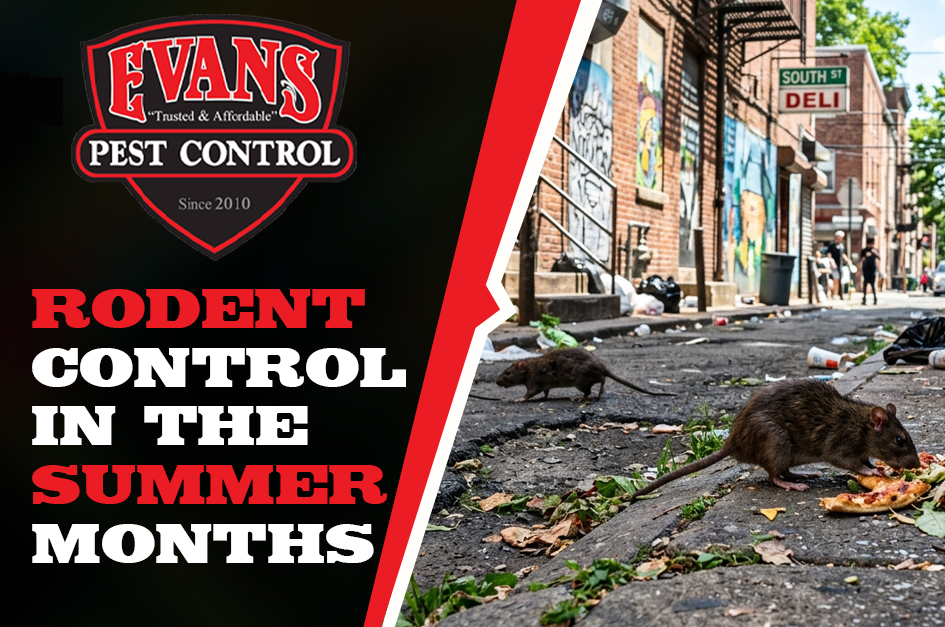
Rodents reproduce quickly, contaminate large areas, and carry pathogens that can severely impact human health. If you’ve seen signs of rodent activity—or want to prevent an infestation before it starts—Evans Pest Control is ready to help.
Call us today for immediate inspection and customized treatment options. Your home, your business, and your health deserve expert protection.
Tags: Integrated, pest, management, Philadelphia, commercial, facilities
Evans Pest Control Launches Holiday Family Sponsorship Program
At Evans Pest Control, our work has always been about more than solving pest problems — it’s about caring for the people and communities we serve. This year, with so many families facing financial hardship, rising costs, and unexpected challenges, we felt called to do something truly meaningful.
That’s why we are proud to announce our 2025 Evans Holiday Family Sponsorship, where we will be selecting three local families to receive some holiday support. Our goal is simple: to help ensure that everyone has a chance to experience joy in this holiday season and feels a little lighter heading into the new year.
⭐ What the Sponsorship Includes
Each chosen family may receive:
• Holiday gifts
• Winter essentials and clothing
• Household necessities
• Holiday meal support
• Personalized items based on the family’s needs
We want each family to feel seen, valued, and uplifted during a time that can be especially difficult.
⭐ How to Nominate a Family
We’re asking our community to help us identify families who could benefit most from this program. When submitting a nomination, please include:
Number of adults and children in the household
Ages and genders of the children
Coat, shoes, and clothing sizes
Any gift preferences
A brief description of the family’s situation
This information helps us tailor our support in a meaningful and personal way.
⭐ Why We’re Doing This
Our team talks to families every day — in homes, in neighborhoods, across the Philadelphia region. We see the real struggles people face, and we believe businesses have a responsibility to give back. By sponsoring three families, we hope to bring joy where it’s needed most and inspire others to help brighten someone’s holiday.
⭐ Deadline & Contact Information
Please submit all nominations by December 5, 2025.
267-582-2687
info@evanspestmgmt.com
Together, we can help bring smiles, warmth, and hope to families who deserve a brighter season. Thank you for joining us in spreading kindness this holiday season. ❤️
Tags: community focused, holiday sponsorship, Evans Pest Control
This Halloween, Evans Pest Control Is Getting Tangled In The Web Of One Of Nature’s Most Misunderstood Creatures
They’re hairy, they’re sneaky, and they love showing up right when you least expect them… but before you scream, here’s the spooky truth: most spiders are actually good guys! That’s right — these eight-legged legends are natural pest controllers, helping keep your home (and your candy stash) safe from flies, mosquitoes, and other bugs that really deserve the scary reputation.
Join us as we mix spooky fun and science, shining the flashlight on famous creepy crawlies like the Brown Recluse, Black Widow, and other web-weaving wonders. You’ll learn how spiders help the environment — and why you might want to thank them before you squash them.
So grab your pumpkin spice latte, dim the lights, and get ready to crawl into some Halloween fun!
Evans Pest Control — keeping your home bug-free (and your Halloween fun!)
Read More About Our Spider Friends Here: https://www.evanspestmgmt.com/Rodent-Control/spider-chart-deadly-to-harmless.php
Tags: Integrated, pest, management, Philadelphia, commercial, facilities, Spiders, Halloween
Why Commercial Rodent Control Matters — And How Evans Pest Control Delivers Results
Rodents in a commercial facility are more than just a nuisance — they’re a serious threat to your bottom line, reputation, and safety. At Evans Pest Control, we specialize in commercial rodent control and ongoing pest management plans tailored to businesses that cannot afford downtime or health-code violations.
• The risks posed by rodents in commercial settings are serious, and one incident can cause irreparable harm to your business
• Regular (not reactive) pest maintenance is essential to maintaining a safe and secure environment
• The advantages of partnering with Evans Pest Control are evident. We will provide hundreds of testimonials, and demonstrable positive results.
________________________________________
The Hidden Cost of Rodent Problems in Commercial Settings
Rodents—especially rats and mice—are among the most insidious pests in commercial environments. Their impacts include:
1. Health and safety risks
Rodents carry pathogens (e.g. Salmonella, Hantavirus) and leave droppings and urine that trigger regulatory violations in food and healthcare settings.
2. Damage to property and infrastructure
Chewing wires, insulation, ductwork, packaging, or structural elements can lead to fires, system failures, or expensive repairs.
3. Loss of credibility and reputation
For a restaurant or food facility, even one customer sighting of a rodent can trigger bad reviews or rescinded contracts.
4. Operational disruption
Cleanup, repair, or full-scale remediation can force portions of a facility offline translating into lost revenue.
5. Escalation over time
Rodent populations reproduce fast. A small issue left unchecked often becomes much more expensive to handle later.
Because rodents are agile, resourceful, and able to exploit tiny entry points, they require more than just a one-off reaction — you need a proactive, monitored, state-of-the-art program.
________________________________________
The Case for Regular Pest-Maintenance vs. Reactive Treatment
Many businesses treat rodent or pest problems only after an incident. But that “wait-and-react” strategy carries serious risks. Here’s why a regular maintenance plan is smarter:
• Early detection & intervention
Scheduled inspections and monitoring let us catch rodent activity before populations explode.
• Consistent population suppression
Even when rodent pressure is low, ongoing baiting, trapping, and barrier work keep populations in check.
• Improved sanitation & exclusion over time
In repeated visits, our technicians observe patterns, recommend sealing opportunities, and optimize placement of control tools.
• Predictable budgeting
Rather than surprise remediation bills, a maintenance contract spreads cost and enables forecasting.
• Compliance assurance
Many regulatory or insurance programs expect integrated pest management (IPM) and evidence of ongoing monitoring in sensitive environments.
At Evans Pest Control, we design plans (weekly, biweekly, monthly, or custom) that align with your facility’s risk profile and business rhythms. (commercial.evanspestmgmt.com)
________________________________________
Why Choose Evans Pest Control for Commercial Rodent Control?
When selecting a pest control partner, here’s what you want — and what Evans delivers:
1. Commercial specialization & experience
We don’t treat your facility like a house. From kitchens to warehouses, we’ve honed methods for business-scale challenges. Our commercial arm covers restaurants, healthcare, retail, and more. (commercial.evanspestmgmt.com)
2. State-of-the-art tools & monitoring
We employ modern techniques and technologies—such as electronic reporting, monitoring stations, and thermal-inspection tools—to track rodent activity and optimize interventions. (evanspestmgmt.com)
3. Proven process: inspect, treat, monitor, sanitize
We begin with a comprehensive inspection to identify entry points, burrows, and activity zones. Then we treat using targeted baiting or trapping, monitor regularly, and apply sanitation recommendations. (evanspestcontrol.com)
4. Minimized business disruption
We coordinate our service schedules to minimize interference with your operations. In many cases, treatment is discrete, confined to walls, ceilings, or service spaces—not your customer-facing zones.
5. Customized plans & guarantees
Because no two facilities are identical, we tailor plans to your layout, traffic, and risk factors. We also back our work with re-service guarantees for commercial clients. (evanspestcontrol.com)
6. Regulatory and safety compliance
We are versed in the standards that matter in food service, healthcare, and institutional settings. That means you can trust us to use products, methods, and reporting practices aligned with health codes.
________________________________________
Industries We Serve (and Why We’re a Fit)
Below are some, but not all of the industries in which Evans Pest Control provides up-front and maintenance rodent/pest management solutions. If your business is among these (or similar), you should be thinking proactively now.
• Food Service & Restaurants
Kitchens, storage rooms, prep areas, dumpsters, and delivery docks attract rodents. Strict sanitation standards and customer expectations demand zero tolerance.
• Healthcare & Medical Facilities
From hospitals to clinics, sterility and infection control are vital. Even low-level infestation is unacceptable. Ongoing monitoring is essential.
• Property Management Firms / Multi-Tenant Buildings
Rodent pressure in one unit can spill into others. A single service contract for the entire property ensures a coordinated response.
• Warehouse & Distribution Centers
Bulk goods, boxes, pallets, loading docks, and storage racks all invite rodent activity. The large footprint and hours of operation require a scalable program.
• Retail & Grocery Stores
Shelves of food, packaging, loading zones, and foot traffic create challenges in detection, bait placement, and prevention.
These industries all share: high risk if a rodent issue is discovered; operational complexity; regulatory scrutiny; and the need for predictable, ongoing service.
________________________________________
How to Get Started (and What to Expect)
1. Request a site evaluation
Our team will walk your facility, identify risk zones, rodent harborages, and entry points. (commercial.evanspestmgmt.com)
2. Receive a custom proposal & schedule
We’ll propose a service frequency, placement plan, and pricing structure.
3. Initiate baseline treatment & monitoring
We’ll set traps, deploy bait stations, monitor with rodent indicators, and seal critical points.
4. Report & review regularly
After each visit, you get a report on rodent activity, issues resolved, and recommendations for improvements (e.g. sanitation, sealing).
5. Ongoing service, re-servicing, and optimization
Over time we adjust the plan dynamically scaling up or down based on data.
________________________________________
Pest issues don't wait until they’re convenient. Especially when it comes to rodents, being proactive is the only way to stay ahead of the curve. For commercial operations, the cost of inaction can be far greater—lost revenue, regulatory fines, reputational harm, and damaged infrastructure.
Evans Pest Control offers the experience, state-of-the-art tools, and customized maintenance plans to keep your business one step ahead of rodent risks. Whether you’re in food service, healthcare, property management, warehousing, or retail, we bring a tailored, results-driven approach.
Ready to protect your facility?
Visit www.evanspestmgmt.com to request your free evaluation or call us at (267) 582-2687. Let us show you how we can deliver a rodent-free, worry-free environment — long term.
Tags: Integrated, pest, management, Philadelphia, commercial, facilities
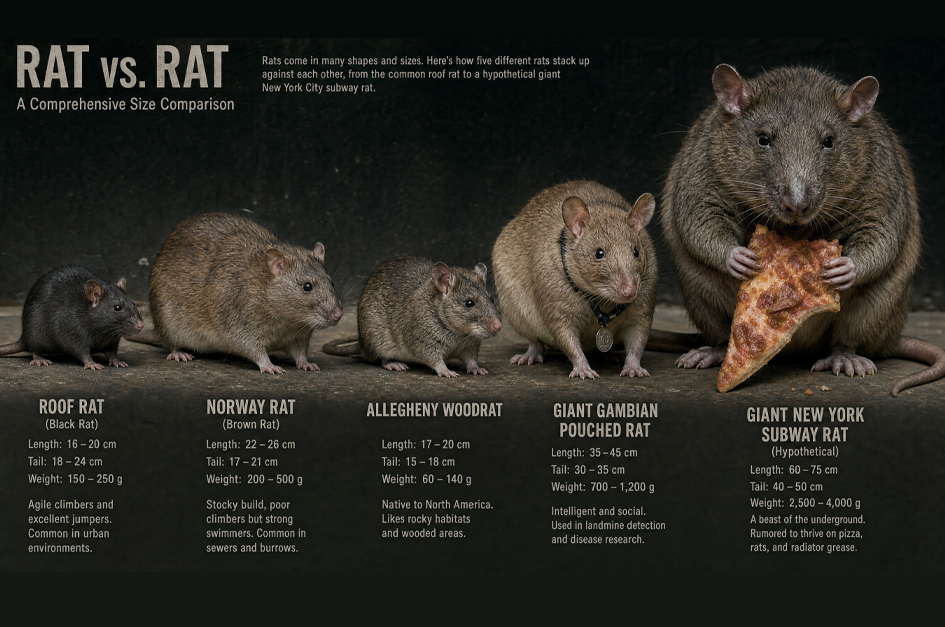
Do Rats Have Accents? Understanding Rat Communication And Pest Control
Do Rats Really Have Accents?
This topic has recently been making the news, because as Fall approaches, we will be seeing more rodent sightings. Rats and mice are seeking shelter right now as the weather starts to turn colder.
When people talk about accents, we usually think of humans. But scientists now suggest that rats may have regional accents or dialects based on where they live. This surprising finding gives us new insight into how rats adapt and survive—whether in busy cities or quiet countryside areas.
Rat Communication Explained
Rats don’t just squeak. They produce ultrasonic vocalizations (USVs), high-frequency sounds often too high for human ears. These calls help rats:
• Communicate with their colony
• Warn about predators
• Attract mates
• Maintain social bonds
What’s fascinating is that these sounds may change depending on location, much like human accents.
Why Regional Rat Dialects Matter
Understanding rat dialects isn’t just fun trivia—it has real-world implications for homeowners and Evans Pest Control experts:
• Mating and Social Life: Rats with different “accents” may struggle to interact, influencing colony behavior.
• City vs. Countryside Rats: Urban rats might “speak louder” to be heard over traffic and construction noise, while rural rats develop different vocal patterns.
• Improved Pest Control: Recognizing how rats communicate can help professionals develop more effective monitoring and deterrent strategies.
Other Animals With Accents
Rats aren’t alone—songbirds, whales, dolphins, and even cows have been found to use regional vocal variations. This shows how environment and social learning influence animal communication.
What Homeowners Should Know
While the science is fascinating, the key takeaway is simple: rats are adaptable survivors. Their intelligence and ability to change make infestations harder to control without expert help.
This is where we at Evans Pest Control come in. Whether rats are squeaking in a city “accent” or a countryside “dialect,” our team uses proven strategies to control pests like rats, and mice, by understanding their behaviors.
Tags: Integrated, pest, management, Philadelphia, commercial, facilities, Rodent Control, Evans Pest Control
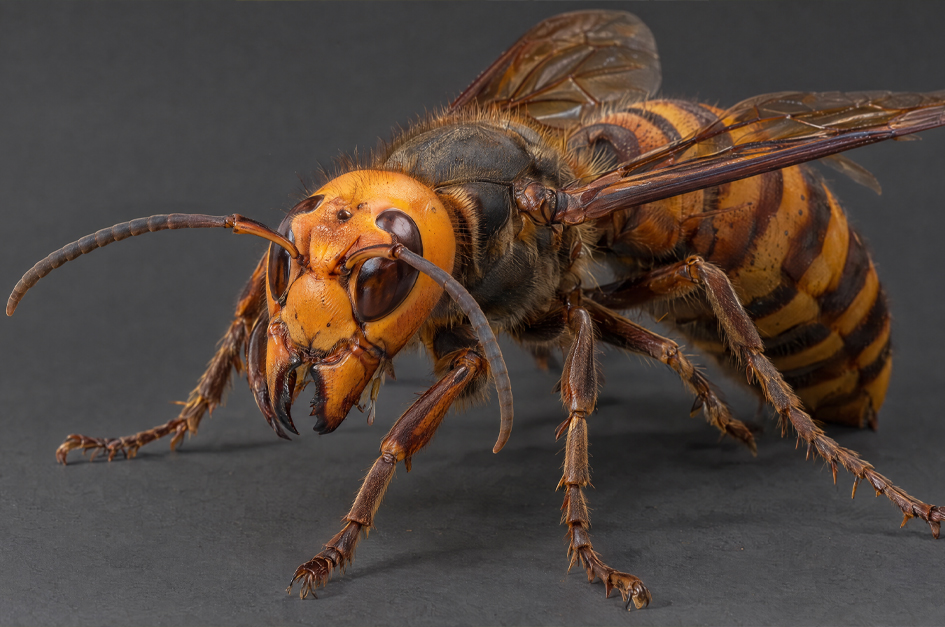
A Giant Insect Discovery: Meet Acrophylla alta, Australia’s Heaviest Insect
Deep in the remote rainforests of Australia, researchers have made a remarkable discovery — a massive insect that has now been recognized as the country’s heaviest. The new species, named Acrophylla alta, is turning heads not only for its impressive size but also for the story of how it managed to stay hidden for so long.
A Heavyweight in the Insect World
Weighing 44 grams, Acrophylla alta is heavier than most other insects. This weight is extraordinary in the insect kingdom, where even large beetles and stick insects are much lighter.
The insect belongs to the phasmid family — commonly known as stick insects or walking sticks. While phasmids are known for their camouflaged, elongated bodies, Acrophylla alta stands out as a record-breaking heavyweight among its peers.
Hidden in Plain Sight
One of the most intriguing aspects of this discovery is how such a large insect remained unnoticed for so long. According to researchers, the rainforest habitat where Acrophylla alta lives is difficult to access, which likely kept it concealed from scientists until now. Its natural camouflage, blending seamlessly with leaves and twigs, may have also played a role in its long-time obscurity.
James Cook University researcher Angus Emmott explained that the breakthrough came not from spotting the insect itself, but from analyzing its eggs. These eggs revealed distinct characteristics that helped confirm the species as entirely new to science.
Why This Discovery Matters
Discoveries like Acrophylla alta highlight how much of the natural world remains unexplored, even in a country as well-studied as Australia. Every new species expands our understanding of biodiversity and the delicate ecosystems in which these creatures live.
Insects play critical roles in their environments — from recycling nutrients to serving as food for other animals. Understanding unique species like Acrophylla alta may also help shed light on rainforest ecology and the evolutionary pathways that produce such unusual creatures.
Tags: Insect Pest Control

Winter Pest Control
As the temperatures drop in the Philadelphia area, winter brings unique pest control challenges. Rodents such as mice and rats instinctively seek warm shelter indoors, often finding their way into basements, attics, and walls in search of food and protection from the cold. At the same time, other pests like spiders, stink bugs, and ants react to the seasonal change by either preparing to overwinter or by invading homes and businesses for survival. These behaviors make fall and winter a critical time to take preventive action, as infestations can develop quickly and become difficult to control once pests have settled in. Evans Pest Control understands these seasonal shifts and provides proactive solutions to keep unwanted visitors outside where they belong. Call Evans Pest Control now to arrange for your End-Of-Year Pest Control Maintenance Plan Prevent A Pest Problem Now! Call Evans Pest Control right away!
Pest Control Maintenance Plans
Commercial And Residential Pest
Control Maintenance Plans
Dedicated And Trained Experts
Pest Extermination And Pest
Control Professionals
Exceptional Customer Service
Evans Pest Control Is A Friendly
Family Run Pest Exterminator
Commercial And Residential Exterminators
Providing professional and discreet bug extermination and pest management for individuals and business.
Ants Hormigas
Flies Moscas
Cockroach Cucarachas
Bed Bugs Chinches
Rats & Mice Ratones
Termites Termitas
Fleas Pulgas
Bees Abejas Carpinteras
Mosquitoes Mosquitos
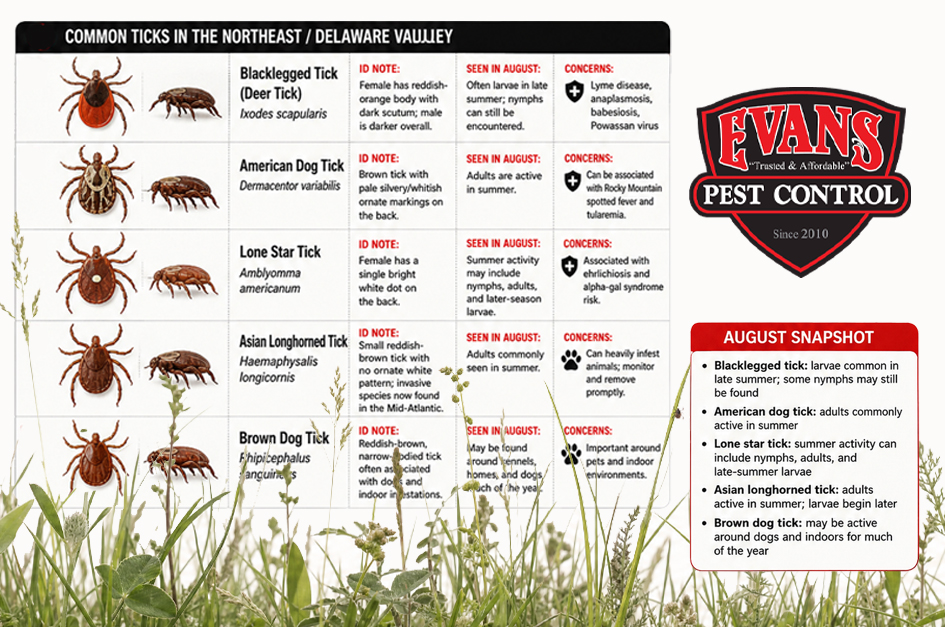
Ticks Garrapatas
Why Choose Evans Pest Control?
For years now we have provided what is likely the most complete range of pest control services in Philadelphia and surrounding areas. Evans Pest Control provides a wide range of effective Eco-Friendly pest control products too. We work for residential, and commercial clients who trust us to eradicate their bug, pest, insect and rodent problems. We try to make our business a ‘one stop shop’ for anything to do with the business of pest control, eradication, regular pest maintenance, and prevention. Our services are handled in-house with no subcontracting, which ensures that all our work is completed to our high standards of health, safety, quality and environmental compliance.
We can do everything from Commercial Sanitizing, Disinfecting, technical pest inspections and routine preventative services to heavy bug, and pest infestation clean-outs. We maintain insect screens, doors, curtains, and install electronic fly lights. Evans Pest Control provides insect identification and contracted pest management.
-
State Of The Art Pest Control Techniques Residential, Commercial, And Pest Control Service Plans
- Bed Bug Elimination We have new techniques available that provide pet safe and effective elimination of bed bug infestations like thermal remediation which is a proven non-chemical, environmentally friendly method of treating bed bugs.
-
Termite Eradication
Effective and minimally invasive elimination of termites by our highly trained staff.
Rodent Control Effective treatment for the elimination of rats, and mice. -
Commercial And Residential
Pest Control Service Plans We provide effective treatment, and management for all pests. Evans pest control service plans, and our pest control management is provided in a professional manner with a knowledgeable staff.
Philadelphia First Choice Best Pest Exterminator
Philadelphia Local Pest Control. Get Freedom From Termites, Bed Bugs, Ants And All Pests Today!
Learn More:
Satisfaction Guaranteed!
Proven results guaranteed effective pest exterminator in Philadelphia. Claim your free consultation now!
Professional Pest And Bug Extermination Technology
- State Of The Art Equipment The latest state of the art equipment for Bed Bug and pest elimination.
- Family Owned Philadelphia Local Our team of pest management professionals receives rigorous training.
- Dependable, And On-Time With high standards of health, safety, quality and environmental compliance.
Philadelphia First Choice Best Pest Exterminator
Philadelphia Local Pest Control. Get Freedom From Rodents, Bed Bugs, Termites And All Pests Today!
Request a FREE Consultation
Get Relief From Your Pest Burden Today!
We can get started right away, so call or enter your email, and we will end your bug, and pest problem starting today!
Proven results guaranteed effective pest exterminator in Philadelphia. Claim your free consultation now!
Voted Best of Philly By
Philadelphia Magazine
Winner Philly Favorites 2024 ByThe Philadelphia Inquirer
Proven results guaranteed effective pest exterminator in Philadelphia. Claim your free consultation now!